

Does Sleep Affect Addiction Recovery?
Poor sleep can make recovery harder. When people think about addiction recovery, sleep is not always the first thing that comes to mind. Attention is often focused on counselling, support programmes, relapse prevention, or managing cravings. Yet sleep quietly influences almost every part of recovery.
Discover why sleep is essential for long-term sobriety and wellbeing.

The Role of Outdoor Therapy in Addiction Recovery
Nature plays a powerful role in recovery. Learn how outdoor therapy supports lasting change. The places where stress builds, where habits are formed, and where substance use becomes normalised can make it difficult to create meaningful change. This is one reason why a change in environment can be so powerful.
Outdoor therapy builds on this idea. It introduces a setting that is fundamentally different from the environments where addiction has developed. Instead of closed spaces and constant stimulation, it offers openness, quiet, and a sense of perspective.

Holistic Recovery: How Mind-Body Practices Strengthen Sobriety
Holistic recovery supports both mind and body. Discover how it strengthens lasting sobriety. When people first consider recovery, the focus is often on stopping substance use. While this is a crucial step, it is only part of a much larger process.
Sustainable recovery involves rebuilding physical health, emotional balance, and mental clarity. It requires more than removing substances. It involves learning how to live in a way that feels stable, manageable, and meaningful. This is where holistic recovery becomes important.

Burnout, Stress and Addiction: Why They Often Overlap
Burnout and addiction often overlap. Learn why and how recovery can address both.
Burnout does not usually arrive suddenly. It builds gradually, often unnoticed at first. A long period of stress, pressure, or emotional strain begins to take its toll, and what once felt manageable starts to feel overwhelming.
For some, this state of exhaustion becomes closely linked with substance use. Alcohol or drugs may initially feel like a way to switch off, to cope, or simply to get through the day. Over time, however, the relationship between stress and substance use can become deeply intertwined.

When a Loved One Refuses Rehab: What Families Can Do Next
One of the most painful realities for families is watching a loved one struggle with addiction but refuse help. The instinct is to push, persuade, or try to “fix” the situation—but these actions can backfire.
What can families do when a loved one refuses rehab? Practical advice to maintain support and boundaries.

Setting Boundaries with Loved Ones in Recovery
Recovery affects everyone connected to the person seeking help. Loved ones may experience stress, uncertainty, and emotional ups and downs. Without boundaries, relationships can become strained, enabling behaviours can persist, and recovery itself may be jeopardised.
Setting clear boundaries during recovery protects both you and your loved one. Learn how to do it effectively.

How to Support a Partner in Early Sobriety
Early sobriety can be fragile. Learn how partners can provide meaningful support during recovery. When someone stops drinking or using substances, the change rarely affects just one person. Partners often experience the shift just as intensely.
For many couples, this stage is not only about recovery from addiction. It is about learning how to relate to each other again without substances shaping the relationship.

Helping Children Understand Addiction and Recovery
Children absorb changes in the family environment, often without understanding the causes. Addiction can create confusion, fear, and misplaced guilt. Providing children with clear, age-appropriate explanations about addiction and recovery helps them process their emotions, reduces anxiety, and fosters empathy.
Learn how to explain addiction and recovery to children in age-appropriate ways and support their wellbeing.

Private Rehab in New Zealand: Costs, Expectations & How to Choose Safely
Considering private rehab in New Zealand? Learn about costs, what to expect, and how to choose safely.
Private residential treatment offers a focused, immersive environment away from everyday pressures. Unlike outpatient support, it allows space for stabilisation, therapeutic work, and structured recovery in a contained setting.
But one of the most common questions remains: how much does private rehab cost, and what should you expect?

Understanding Different Rehab Programmes: Which One Is Right for You?
Not sure which rehab programme is right for you? Learn the key differences and how to choose confidently.
When someone decides to seek help for addiction, one of the first challenges is understanding the different types of rehab programmes available. The truth is that there is no single “best” programme. The right choice depends on personal history, severity of substance use, mental health considerations, support systems, and readiness for change.
Understanding the differences helps you make a confident and informed decision.
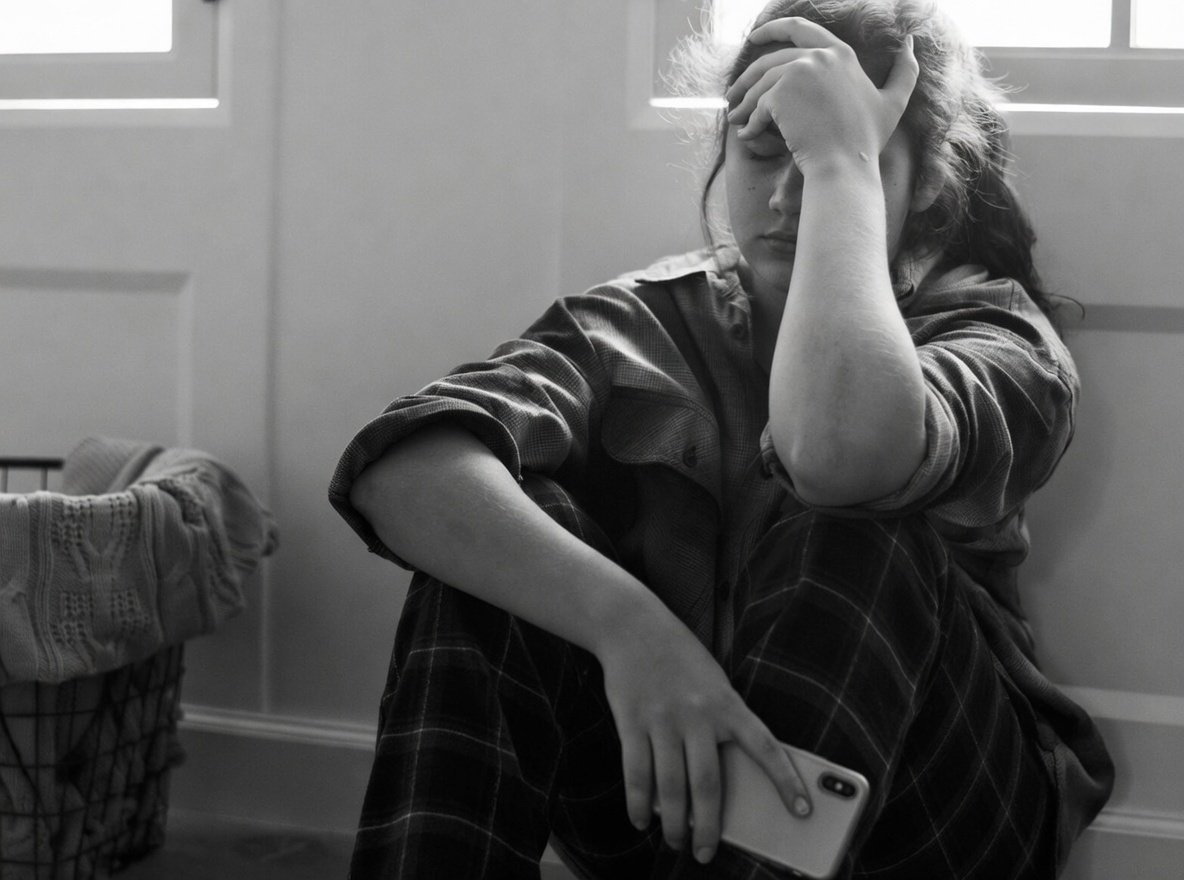
Alcohol Withdrawal - Timeline, Symptoms & When to Seek Help
Learn the stages of alcohol withdrawal and when medical support is needed.
Alcohol withdrawal occurs when someone who has been drinking heavily reduces or stops suddenly. The nervous system, which has adapted to alcohol’s depressant effects, becomes overstimulated.
Symptoms can range from mild anxiety to life-threatening complications.

Confidentiality in Rehab: What You Need to Know
Concerned about privacy in rehab? Understand NZ confidentiality laws and how your information is protected. Confidentiality is not simply a courtesy. It is a legal and ethical obligation.
Understanding how privacy works in residential rehab can ease anxiety and allow you to focus on what truly matters: recovery.

Early Warning Signs of Relapse: A Guide for Families
Relapse often begins long before substance use resumes. Learn the early warning signs and how families can respond early and effectively.
While relapse can happen, it is important to understand that it rarely occurs suddenly. Most relapses begin with emotional and behavioural changes long before substance use returns.
Recognising early warning signs gives families the opportunity to act early, with support rather than panic.

Nutrition & Wellness After Rehab: Family-Friendly Meal Plans
Good nutrition is a powerful recovery tool. Learn how simple, Family-friendly meal plans can support wellbeing, reduce cravings, and strengthen sobriety after rehab.
Substance use can deplete the body of essential nutrients, disrupt digestion, impact sleep, and affect mood regulation. Rebuilding physical health through food is one of the most effective ways to support emotional stability, energy levels, and long-term sobriety.
For clients returning home after treatment in New Zealand, the goal is not perfection. It is about creating simple, realistic eating habits that fit everyday life.

What to Expect in Your First 30 Days After Rehab
Leaving rehab is a big step. Learn what to expect in your first 30 days and how to protect your recovery.
Completing residential rehab is a major achievement. But many people find that the first 30 days after rehab are both hopeful and challenging.
Structure changes. Support feels different. Daily life resumes. While confidence may be growing, vulnerability often increases during this phase.
Knowing what to expect can reduce anxiety and help you move forward with clarity and confidence.

How Family Support Shapes Long-Term Sobriety: A Guide for Loved Ones
Families matter in recovery. Learn how support, boundaries and education can shape long-term sobriety.
This guide is written for families and loved ones who want to help but are unsure how. Understanding your role can reduce stress, improve outcomes and strengthen relationships throughout the recovery process.

Understanding High-Functioning Addiction: Signs You Shouldn’t Ignore
Successful on the outside, struggling underneath? Learn the hidden signs of high-functioning addiction and when support matters most.
High-functioning addiction often affects professionals, business owners, parents and people who are outwardly successful. Because life appears stable, the problem is easy to minimise, both by the person experiencing it and by those around them.
Understanding the signs early can make the difference between timely support and years of silent struggle.

Aftercare Pathways: Life After Rehab
Leaving rehab is a new beginning. Discover realistic aftercare pathways that help you build long-term recovery and confidence.
Life after rehab can feel hopeful and exciting, but also unfamiliar. You may be rebuilding routines, reconnecting with family, returning to work or adjusting to quieter days without structured programming. This transition is normal and expected. This is why aftercare support is essential for maintaining long-term recovery.
Aftercare pathways give you guidance, structure and connection as you step back into everyday life. This article explores the most effective options, common challenges and the ways you can personalise your support plan to stay steady and confident.

Nature Therapy in NZ - A Unique Recovery Advantage.
Nature therapy is a powerful tool for recovery. Learn why New Zealand’s environment offers unique benefits for Australians in rehab.
New Zealand’s landscapes are world-renowned, from rugged coastlines to tranquil forests and rolling hills. For Australians seeking rehabilitation, these natural surroundings offer more than a beautiful backdrop—they provide a powerful therapeutic advantage. Nature therapy, or ecotherapy, is increasingly recognised as an effective complement to traditional addiction treatment.
This article explores the benefits of nature therapy at Keystone Lodge, explains why New Zealand is uniquely suited to this approach, and provides guidance for Australians considering cross-border rehab.

Family Support for Australians’ Loved Ones Abroad for Rehab
Sending a loved one to rehab in NZ? Learn how Australian families can provide emotional and practical support from afar.
Sending a family member to rehab in New Zealand is a courageous step. For Australians, it often involves crossing the Tasman, navigating travel logistics, and coping with the emotional challenges of distance. While the person attending rehab focuses on recovery, families play an equally vital role in supporting long-term success.
This guide provides practical tips for Australian families to stay connected, provide emotional support, and make the cross-border rehab journey smoother for everyone involved.
Discover our tranquil surroundings and the care our lodge offers
Find a space to relax, heal, and reconnect with yourself. Surrounded by nature, our lodge nurtures well-being and supports every guest on their journey. Watch our drone video to experience the serenity for yourself. Let this glimpse inspire your first step toward healing and renewal.