

Alcohol & Drug Detox Support in Auckland
A supported start to recovery. Keystone Lodge provides a calm, structured social detox environment for people preparing to begin residential alcohol and drug rehabilitation, with compassionate support, connection and care throughout the transition.
Supported Social Detox at Keystone Lodge
For some guests, recovery begins with detox. Keystone Lodge provides a supported social detox environment in Auckland for people beginning recovery from alcohol and drug addiction. Within our private residential programme, guests are surrounded by structure, reassurance and compassionate support as they take their first steps into recovery.
Every person’s needs are different, which is why we carefully consider whether social detox at Keystone is appropriate as part of the admissions process.
-
Keystone Lodge provides supported social detox in Auckland for people beginning recovery from alcohol and drug addiction. Our private residential setting offers a safe, structured and supportive environment through the early stages of withdrawal, with regular observations, prescribed medication support where required, nourishing meals, rest and compassionate recovery support. This supported social detox process helps guests transition into our person-centred residential addiction treatment programme and build a strong foundation for lasting successful recovery.
-
Detox needs can vary depending on the substance used, level of dependence, length of use and individual health needs. Keystone Lodge provides social detox support for suitable guests withdrawing from alcohol or drugs, with each person’s needs considered individually. Where medical assessment, detox medication or a higher level of medical care is required, this is determined by an appropriate medical practitioner.
-
During social detox, our focus is on providing a calm, structured and supportive residential environment through the early stages of withdrawal and recovery. Where medication has been prescribed by a medical practitioner, it is administered by trained staff in accordance with the prescribing instructions. At each medication administration, observations including blood pressure, heart rate and temperature are taken and recorded, supporting close observation of the guest throughout the detox period. Guests are also supported with nourishing meals, hydration, rest, reassurance and connection with our recovery team. As withdrawal settles, guests can gradually begin engaging in Keystone’s wider residential recovery programme.
-
Keystone Lodge provides supported social detox rather than a medically managed detox service. Where medical assessment or prescription medication is required, this remains under the direction of an appropriate medical practitioner. Our trained staff securely store and administer prescribed medications strictly in accordance with the prescriber’s instructions. Throughout the social detox period, we maintain detailed documentation of medication administration and regularly record observations, including blood pressure, heart rate and temperature. These observations are taken at each medication administration, allowing our team to closely monitor each guest’s wellbeing and identify any changes or concerns that may require further medical review.
-
Keystone Lodge provides supported social detox rather than a medically managed detox service. Where medical assessment or prescription medication is required, this remains under the direction of an appropriate medical practitioner.
Where required, a doctor can attend Keystone Lodge to complete an initial assessment and establish an appropriate detox plan. Our trained staff then securely store and administer prescribed medications in accordance with the prescriber’s instructions.
Throughout the social detox period, our team regularly records observations such as blood pressure, heart rate and temperature, helping us monitor each guest’s wellbeing and recognise any changes or concerns that may require further medical review.
-
Detox can help a person move through the physical withdrawal from alcohol or drugs, but recovery extends far beyond stopping substance use. Lasting recovery involves understanding addiction, developing new coping strategies, rebuilding connection and creating meaningful change. At Keystone Lodge, detox can become the first step into a person-centred residential recovery journey focused on structure, connection and purpose.
-
The length of alcohol or drug detox varies from person to person and depends on factors including the substance used, level and duration of dependence, physical health, withdrawal history and medical advice. There is no single detox timeframe suitable for everyone. Where medical oversight is required, the appropriate detox plan and duration are determined by the treating medical practitioner.
-
Not everyone entering residential rehab requires detox. Whether detox is needed depends on the substances being used, level of dependence, recent use and individual health circumstances. Where there may be a risk of withdrawal, an appropriate medical assessment may be required to determine the safest pathway before or during admission to Keystone Lodge.
-
Keystone Lodge provides private residential addiction treatment in Auckland for people recovering from alcohol and drug addiction. Our programme combines individualised care, 1:1 AOD counselling, group therapy, recovery mentoring, wellbeing, 12-Step-informed support and structured aftercare to help each guest build a strong foundation for lasting recovery.
Our Process

Initial Conversation
A confidential discussion to understand your situation and what support is needed.

Understanding Detox Needs
Guidance on whether detox is required and what the next step should be.

Transition into Treatment
Support in moving into a structured residential environment if appropriate.

Ongoing Recovery Support
Planning for continued support beyond detox.
Taking the first step can feel difficult. We’re here to help you understand what happens next. If alcohol detox is required, we’ll help ensure this is safely planned before beginning your residential programme.
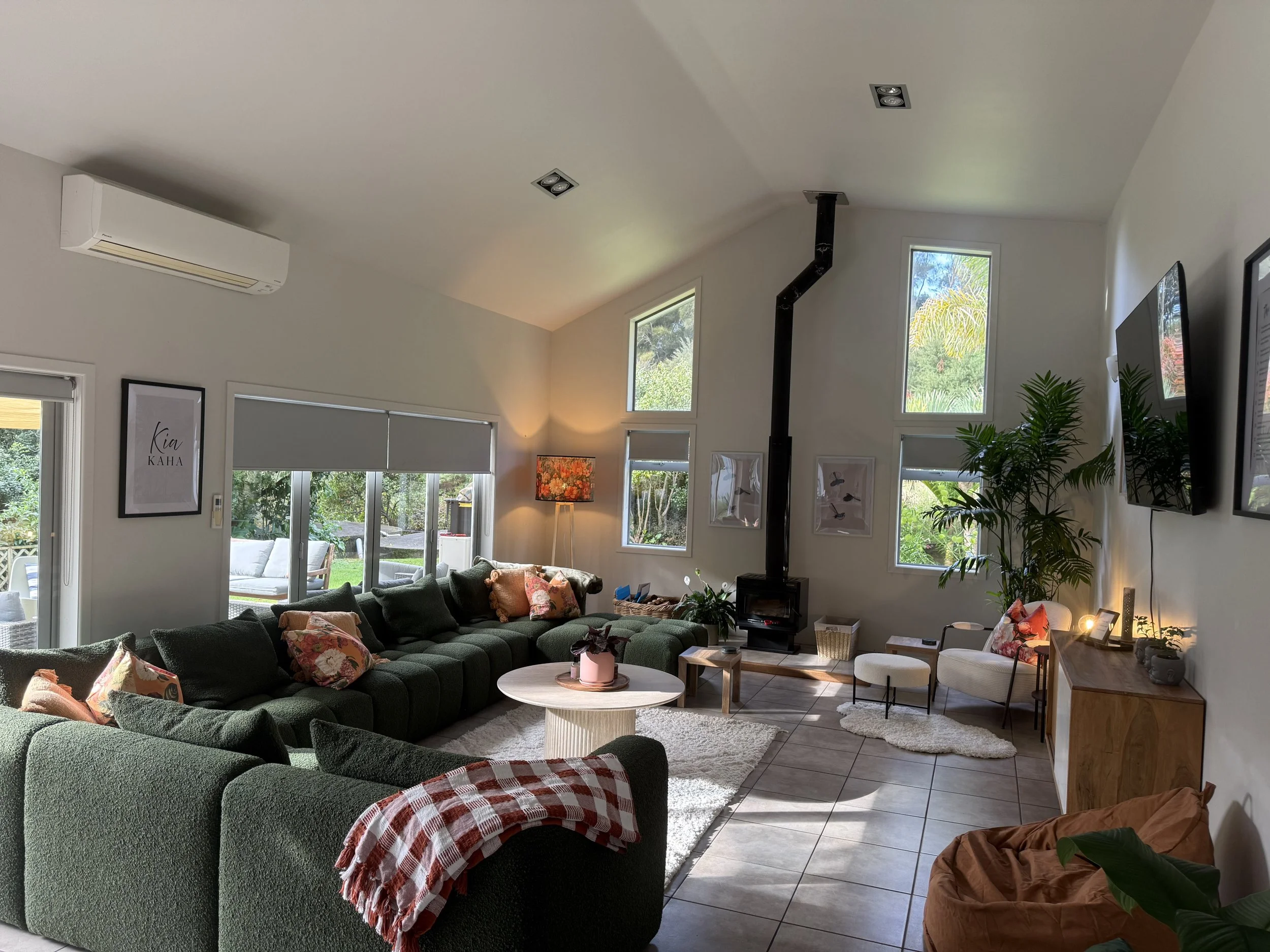
Why Choose Keystone Lodge
Keystone Lodge provides private residential addiction treatment in New Zealand, supporting people beyond the initial detox stage.
Detox is only the beginning of recovery. Ongoing structure and support are often needed to create lasting change.
Our programme focuses on helping people move from stabilisation into structured recovery and long-term support.
Detox Support FAQs
Common questions about detox and how it fits into the recovery process.
-
Detox is the physical process of stopping alcohol or drugs and allowing the body to stabilise.
-
No, detox focuses on physical withdrawal. Rehab focuses on long-term recovery.
-
Some people do, depending on their situation and level of use.
-
Many people move into a 30-day programme for structured support.
-
Detox alone may not address the underlying causes of addiction.
-
Contact Keystone Lodge for a confidential conversation about the next step.
Speak With Our Team
Speak with our team to understand whether detox or residential treatment is the right next step.