
Addiction & Recovery Resources NZ
Practical guidance on alcohol and drug addiction, private residential rehab, recovery and family support in New Zealand. Explore helpful information about treatment, what to expect from rehab, supporting a loved one and building lasting recovery.
Alcohol Addiction & Recovery · Drug Addiction & Recovery · Choosing Rehab ·
Family Support · Aftercare & Recovery


When a Loved One Refuses Rehab: What Families Can Do Next
One of the most painful realities for families is watching a loved one struggle with addiction but refuse help. The instinct is to push, persuade, or try to “fix” the situation—but these actions can backfire.
What can families do when a loved one refuses rehab? Practical advice to maintain support and boundaries.

Setting Boundaries with Loved Ones in Recovery
Recovery affects everyone connected to the person seeking help. Loved ones may experience stress, uncertainty, and emotional ups and downs. Without boundaries, relationships can become strained, enabling behaviours can persist, and recovery itself may be jeopardised.
Setting clear boundaries during recovery protects both you and your loved one. Learn how to do it effectively.

How to Support a Partner in Early Sobriety
Early sobriety can be fragile. Learn how partners can provide meaningful support during recovery. When someone stops drinking or using substances, the change rarely affects just one person. Partners often experience the shift just as intensely.
For many couples, this stage is not only about recovery from addiction. It is about learning how to relate to each other again without substances shaping the relationship.
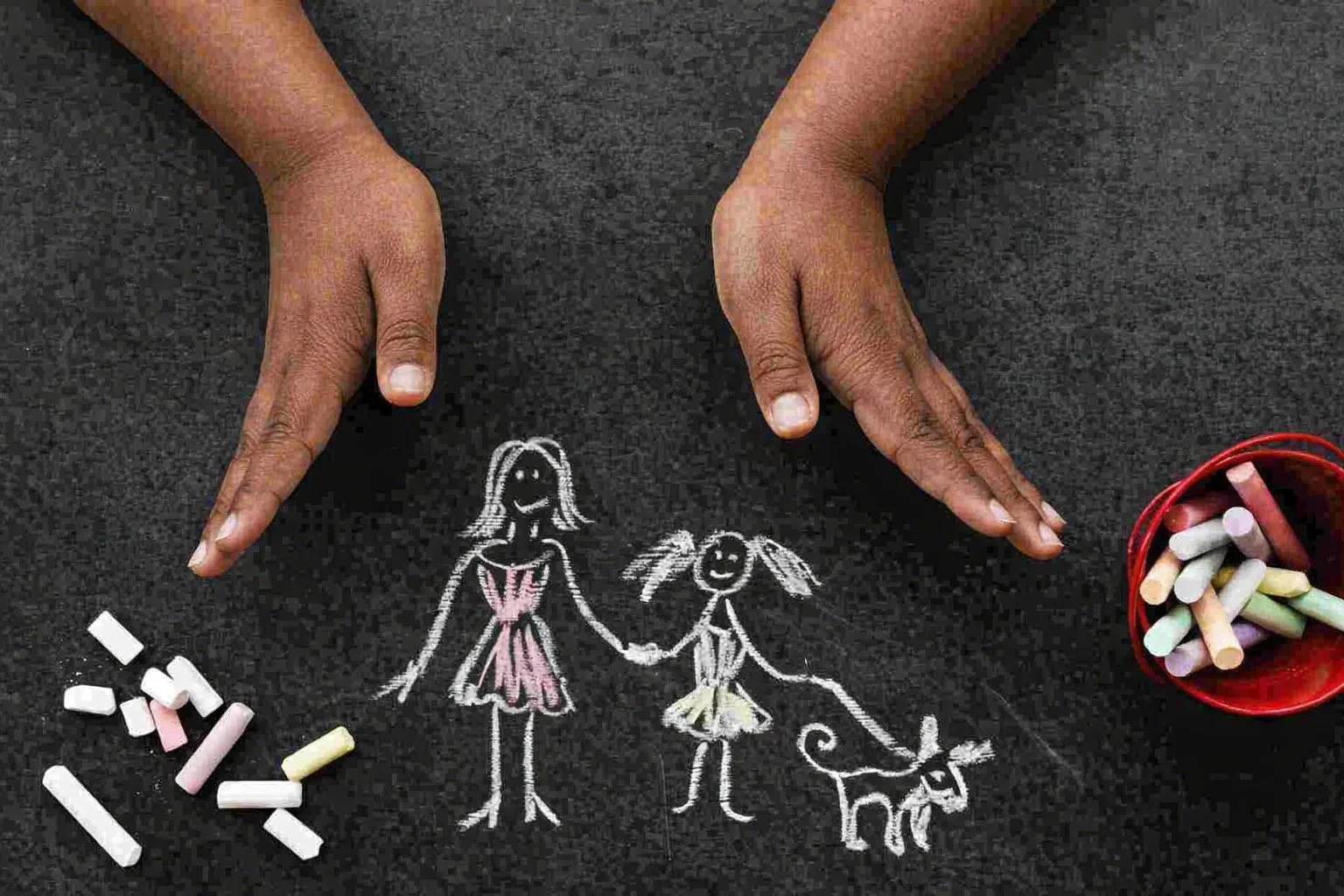
Helping Children Understand Addiction and Recovery
Children absorb changes in the family environment, often without understanding the causes. Addiction can create confusion, fear, and misplaced guilt. Providing children with clear, age-appropriate explanations about addiction and recovery helps them process their emotions, reduces anxiety, and fosters empathy.
Learn how to explain addiction and recovery to children in age-appropriate ways and support their wellbeing.

Family Boundaries: Communication Tips
Supporting someone through addiction recovery can be deeply rewarding, but it can also be emotionally draining. Families often walk a fine line between wanting to help and accidentally taking on too much. The key to healthy support is setting clear boundaries -- and communicating them in a way that protects both your wellbeing and your relationship with your loved one.

Support Yourself: Coping Strategies for Families During a Loved One’s Rehab
When a loved one enters rehab, families often experience a mix of worry, guilt, and uncertainty. Supporting someone through recovery can be emotionally draining, and it’s easy for family members to forget to take care of themselves.
Keystone Lodge believes that family well-being is an essential part of recovery. By caring for yourself, you not only stay strong but also provide better support for your loved one.

Managing Relapse: Your Guide to Building Resilience After Rehab
Recovery is not always a straight line. Many people experience setbacks or relapses on their journey, and while these moments can feel discouraging, they don’t mean failure. Instead, relapse can be an opportunity to strengthen your recovery plan and build resilience for the future.
At Keystone Lodge, we believe recovery is about progress, not perfection. Here’s how you can understand relapse, learn from it, and continue moving forward.

How Do I Support a Partner or Friend in an Alcohol or Drug Rehabilitation Program?
Is someone you care about in rehab for alcohol or drug addiction? Your support can make a world of difference. Here’s how to be there for them—practically, compassionately, and without losing yourself in the process.
Discover our tranquil surroundings and the care our lodge offers
Find a space to relax, heal, and reconnect with yourself. Surrounded by nature, our lodge nurtures well-being and supports every guest on their journey. Watch our drone video to experience the serenity for yourself. Let this glimpse inspire your first step toward healing and renewal.